Cover Site Prep & Utilities: The Riverside Owner’s Guide
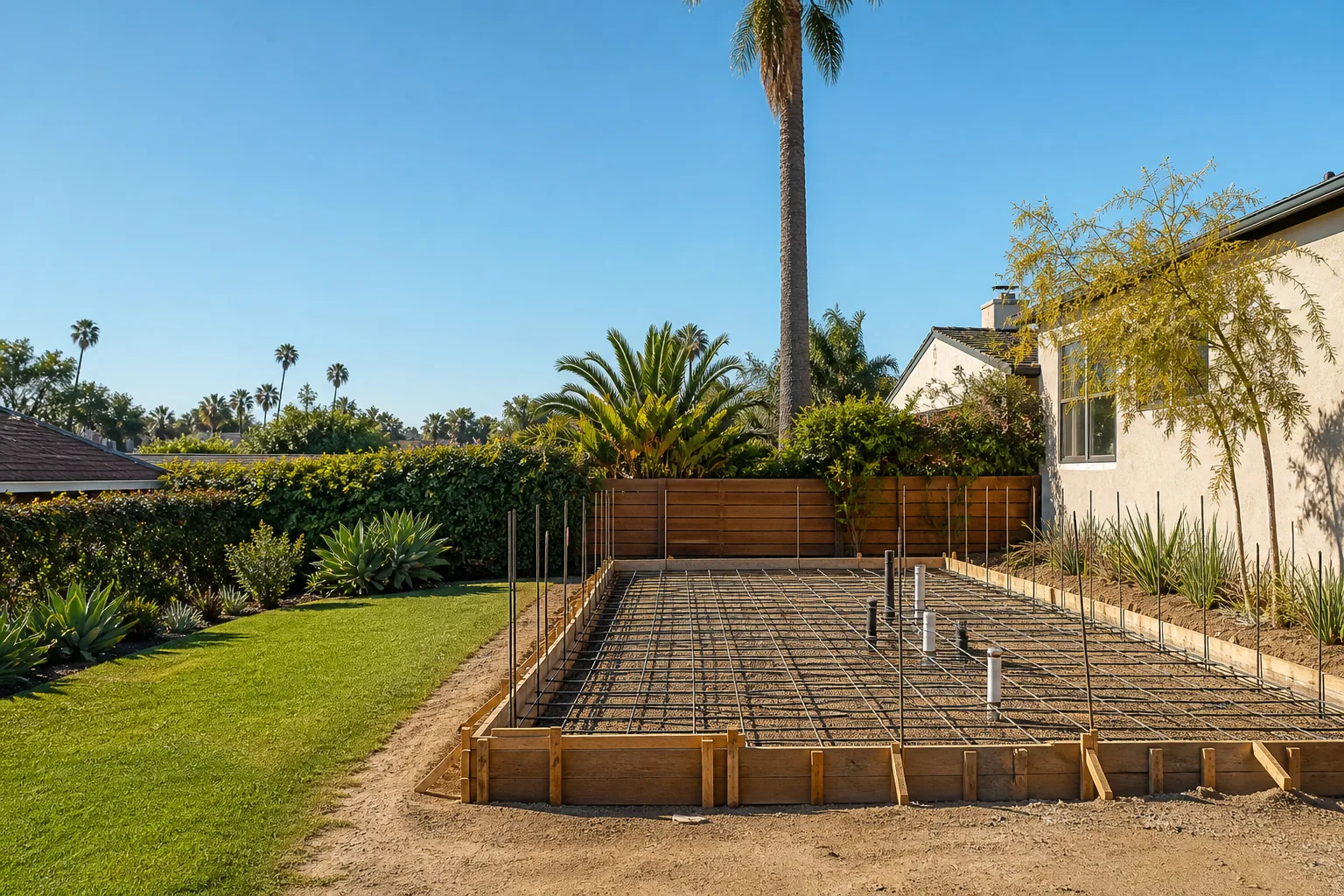
Site prep and utilities work for a Cover unit in Riverside typically runs $18,000 to $45,000 installed, depending on lot conditions, utility distances, and what the city requires. We stock and install the components your Cover foundation and utility hookups need, and we can usually have a crew on site within five to seven business days of your written estimate. Most Riverside owners discover they need this work when their Cover delivery is already scheduled and the site isn’t ready; the excavator shows up, the trench isn’t dug, the conduit isn’t set, and suddenly the crane has nowhere to park and PG&E won’t energize the panel.
We’re an independent Riverside contractor, not affiliated with Cover. But we’ve done enough Cover site work to know exactly what the factory expects before the module rolls off the truck.
Which Cover Models This Applies To
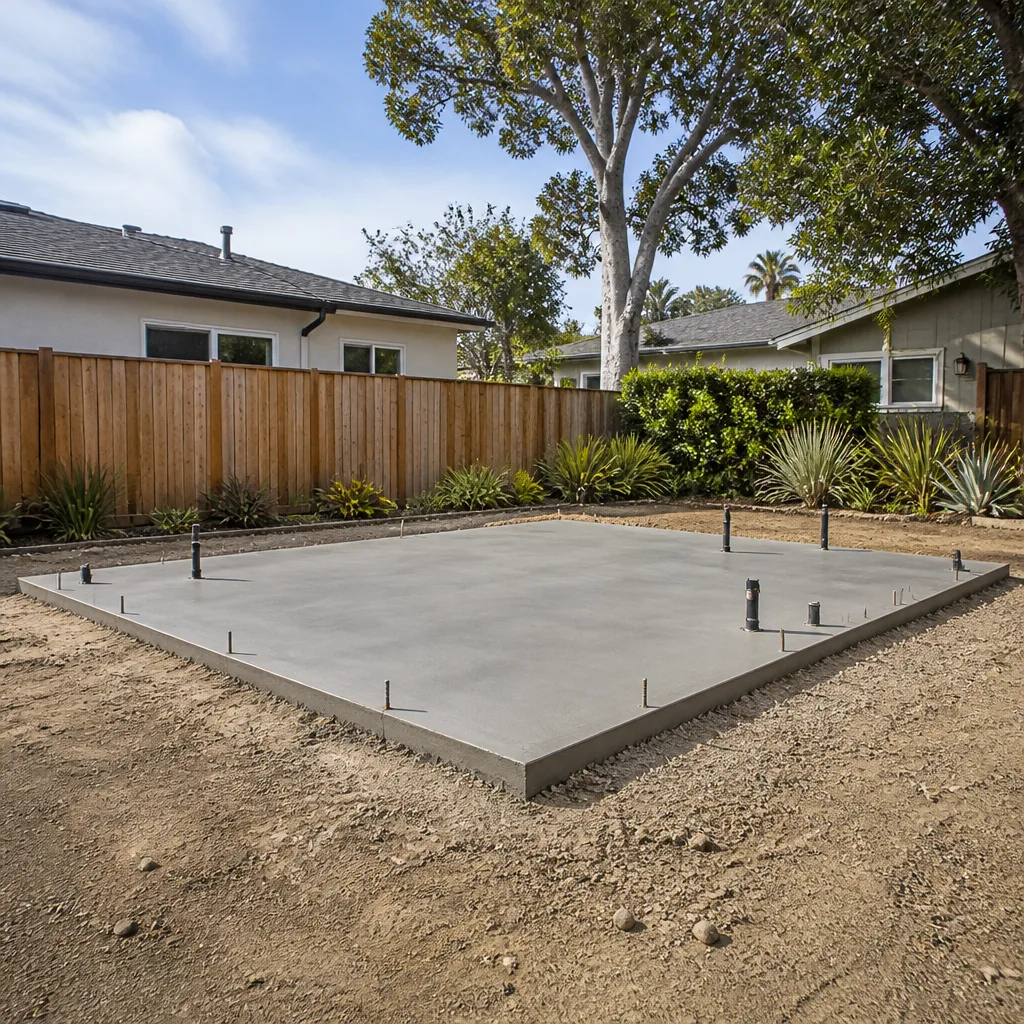
Site prep and utilities apply to every Cover model, but the specifics change by series. The Cover 1, a roughly 400 to 600 square foot studio or one-bedroom, typically needs a foundation system engineered for lighter point loads than the Cover 2 or Cover 3, which can span 800 to 1,200 square feet with two and three bedrooms respectively. If you’re installing a Cover 2 or 3 on a Riverside hillside lot near Alessandro Heights or the Sycamore Canyon area, expect deeper piers and more structural steel than a flat-lot Cover 1 off Victoria Avenue.
The compatibility gotcha most owners miss is the utility stub-out location. Cover ships each unit with factory-installed plumbing and electrical chases, and the stubs are located per the plan set you approved, not per where the utility company happens to have a pole or main. If the stubs don’t line up with your city sewer lateral or your panel location, you’re paying for extra trenching and re-route work. Always confirm the stub-out locations against your Cover plan set before we pour concrete or dig a single foot of trench.
For OEM versus aftermarket: Cover doesn’t sell direct-to-homeowner utility components, so there isn’t an “OEM trench” or an “OEM footing” to buy. The real choice is between engineered, Cover-approved site plans versus a general contractor winging it. We’ve seen both in Riverside. The engineered version costs more up front and passes inspection the first time. The winging-it version usually costs more by the end.
Signs Your Cover Site Prep & Utilities Is Failing
- Water pooling near the foundation after rain. Riverside gets most of its rain in a handful of winter storms, and if the grading or drainage wasn’t done right, water sits against the footing. It’s cracking the concrete a little more every year, and it’s the leading cause of foundation movement we see on Cover units that were installed by crews who skipped the swale.
- Breaker trips when you run the mini-split and the washer at the same time. That’s usually an undersized conductor between the main panel and the Cover subpanel. Code allows some voltage drop, but a Riverside summer pushes everything harder, and a unit that trips constantly in July is telling you the wire gauge was cut to the legal minimum instead of what the load actually needs.
- Sewer smells in the unit after heavy use. On flat Riverside lots, a sewer lateral that wasn’t installed with enough slope will let solids settle and gas back up into the unit. It works fine until three people take showers in a row, then the smell shows up.
- Concrete cracking around anchor bolts within the first two years. This is almost always a soil compaction issue, not a concrete issue. Riverside’s alkaline, clay-heavy soils move a lot between wet winters and dry summers. If the subgrade wasn’t compacted in lifts, the slab settles unevenly and stress cracks appear right at the anchors.
- Utility marking flags are missing before you dig anything. If nobody called 811, or if the previous site contractor didn’t map the as-built locations of underground lines, you’re one shovel strike away from a damaged gas line. We flag and map everything before we dig because we’ve had to fix too many sites where the last guy didn’t.
Replacement Cost & What’s Included
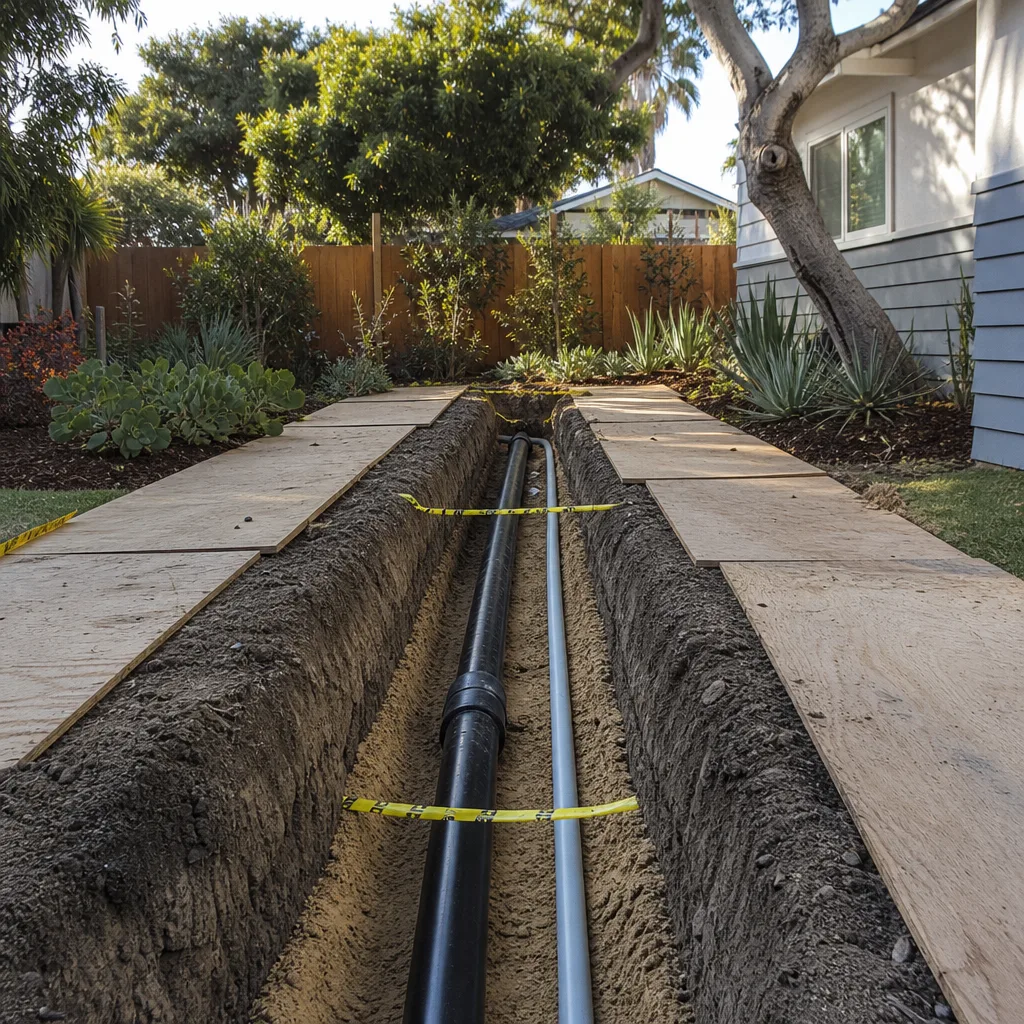
Here’s what Riverside homeowners can expect to pay for the most common Cover site prep and utilities fixes, installed:
| Scope of Work | Typical Installed Range |
|---|---|
| Full site prep for new Cover unit (grading, excavation, base rock, utility trenching within 30 feet) | $18,000 – $45,000 |
| Foundation repair / re-leveling (pier and beam sections, crack repair) | $4,000 – $14,000 |
| Utility re-route (electric, sewer, or water line between 30 and 80 feet) | $2,500 – $9,000 per trade |
| Drainage and grading repair (swales, French drains, retaining corrections) | $3,000 – $12,000 |
| Main panel upgrade to support Cover unit subpanel | $3,500 – $6,500 |
Every one of these numbers comes as a written line-item quote before we touch the site. The range exists because Riverside lot conditions vary wildly, from the sandy loam near the Santa Ana River bottom to the boulder-strewn hardpan up toward Box Springs Mountain. If the number isn’t on the page, it isn’t a real quote. We pull permits on every job, we pass inspection, and the entire install carries the 365-Day Done Right Promise in writing.
DIY or Call Us?
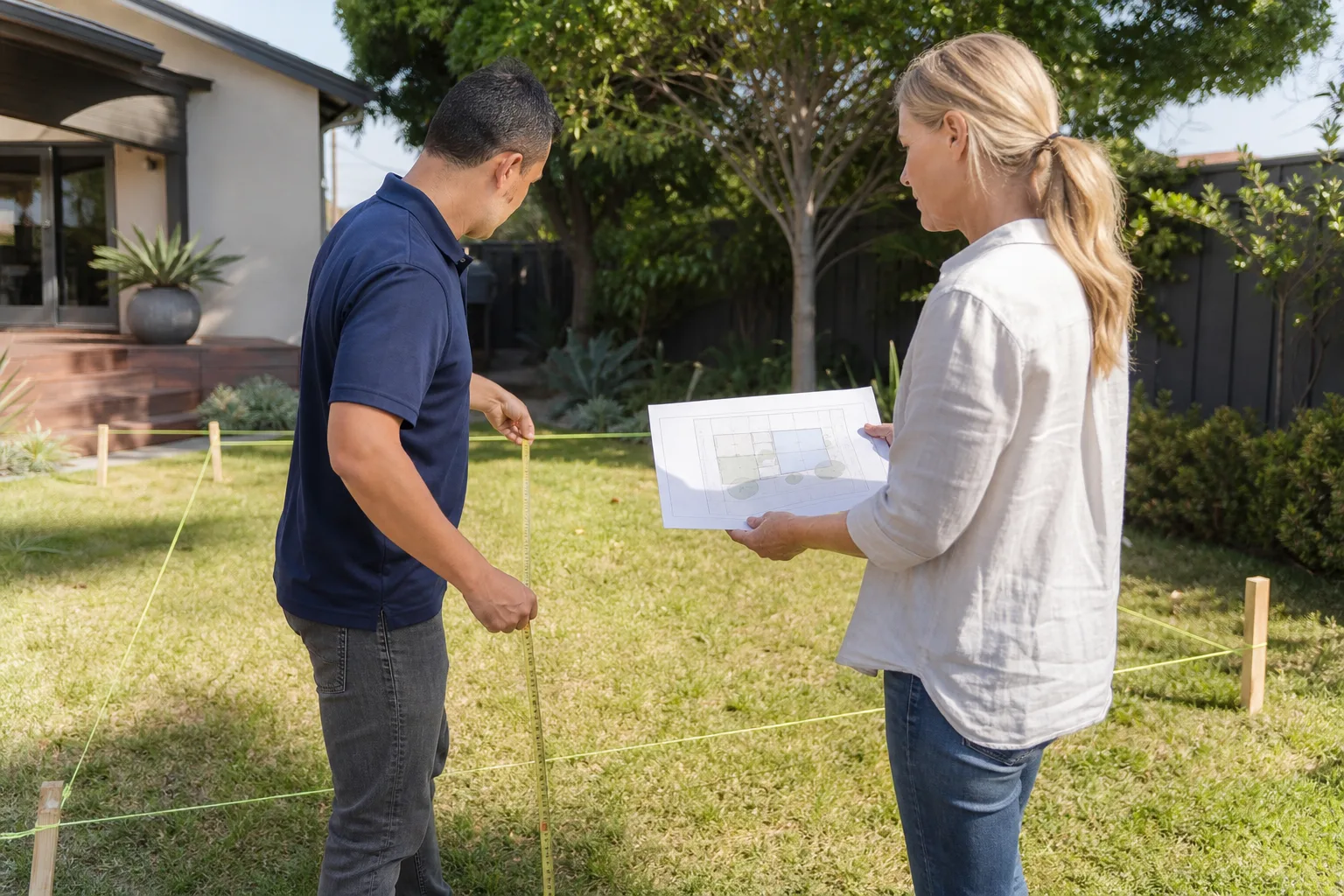
You can safely do the paperwork: call 811, get a utility locate, walk your property lines, and mark where you think the unit goes. You can also safely check whether your Cover plan set matches what’s on the ground; that’s just observation, and it helps everyone.
What you should not do yourself is dig a four-foot trench anywhere near a gas line, pour a foundation pad without a compaction test, or rewire a main service panel. Riverside gas lines can be shallow, particularly in older neighborhoods near the Mission Inn district where lot grading has shifted over decades. A shovel through a gas service line is a neighborhood evacuation, not a learning experience. We do all of this with licensed crews, engineered plans, and the right equipment, and we clean up the site before we leave. Call (831) 292-4191 for a written estimate.
FAQs
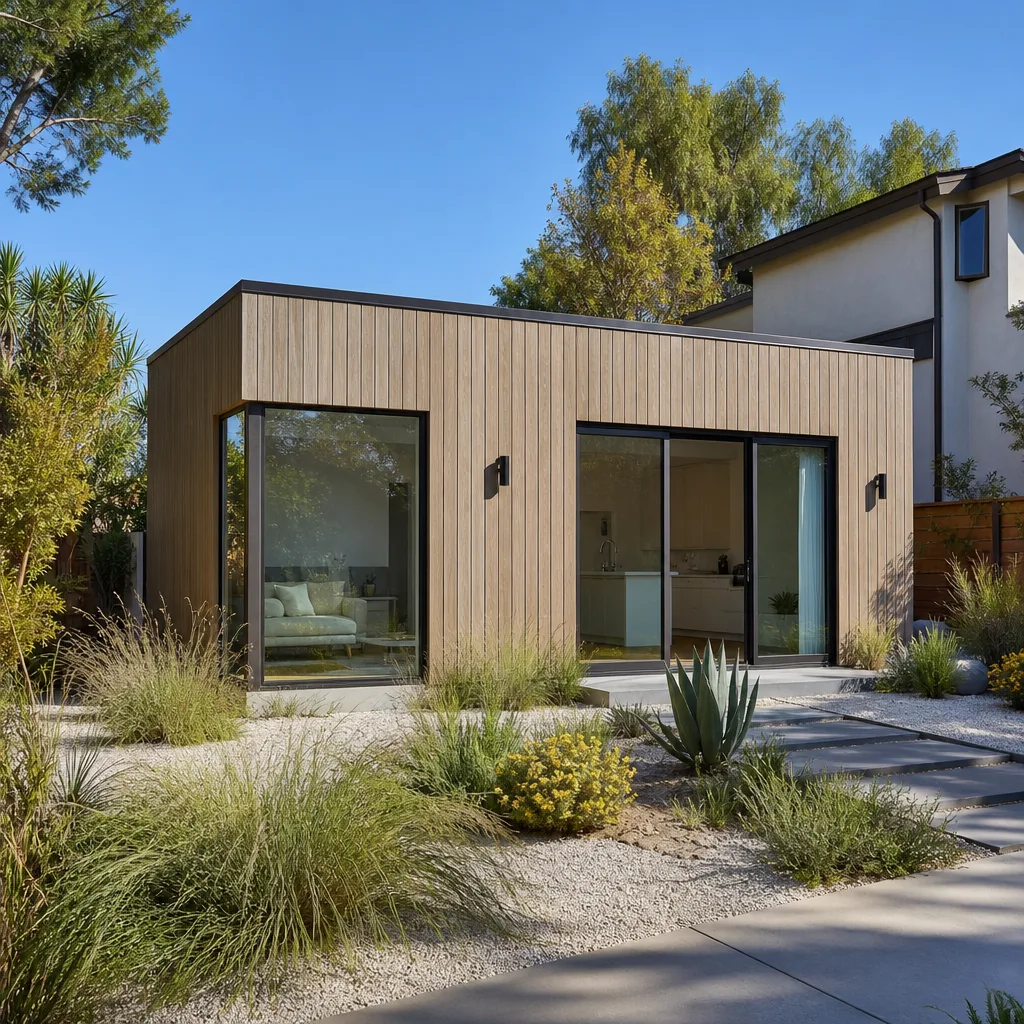
A properly engineered Cover site in Riverside is designed to outlast the unit itself, which is a 50-year-plus structure. The weak points are drainage and soil movement, which is why we build both into the plan from day one rather than patching them later. Call (831) 292-4191 and we’ll take a look at what you’ve got.
Most failing site work can be repaired without redoing the whole site. Around 80 percent of the jobs we take on are targeted fixes: a re-graded swale, a re-compacted section of base, a re-run sewer lateral. The rest are cases where the original work was so far outside engineering that patching it would just hide the problem. We’ll tell you which one you’re looking at before you spend a dollar.
Most corrections run three to seven working days, with inspections included. A full site prep for a new Cover unit runs two to four weeks depending on Riverside’s permit review time, which has been tightening. We’ll put the timeline in the written estimate so there’s no guessing.
We keep the common sizes on hand: 2-inch Schedule 40 electrical conduit, 4-inch ABS sewer pipe, standard base rock, compaction equipment, and the anchor bolt patterns Cover specifies. Specialty materials for unusual soils or long runs are ordered same day and usually arrive within two business days. We also service Abodu and Dvele units, so we’re familiar with their site requirements too.
Written by Russ Delmar, Owner, Lodgewick ADU Riverside at Lodgewick ADU Riverside, serving Riverside and nearby areas.