Dvele Junior ADU Conversion: The Riverside Owner’s Guide
Dvele junior ADU conversion components in Riverside homes typically run $480 to $1,150 installed depending on the specific part, finish kit, and whether your Dvele unit is a first-generation panel system or the newer SIP-based shell. We stock common Dvele-compatible conversion hardware on our trucks and can usually complete the replacement same day once we confirm your model. Most Riverside owners discover the problem the same way: a door that suddenly binds in its frame, a mini-split that cycles without cooling, or a soft spot in the wet-bath floor pan that shouldn’t be there.
Which Dvele Models This Applies To
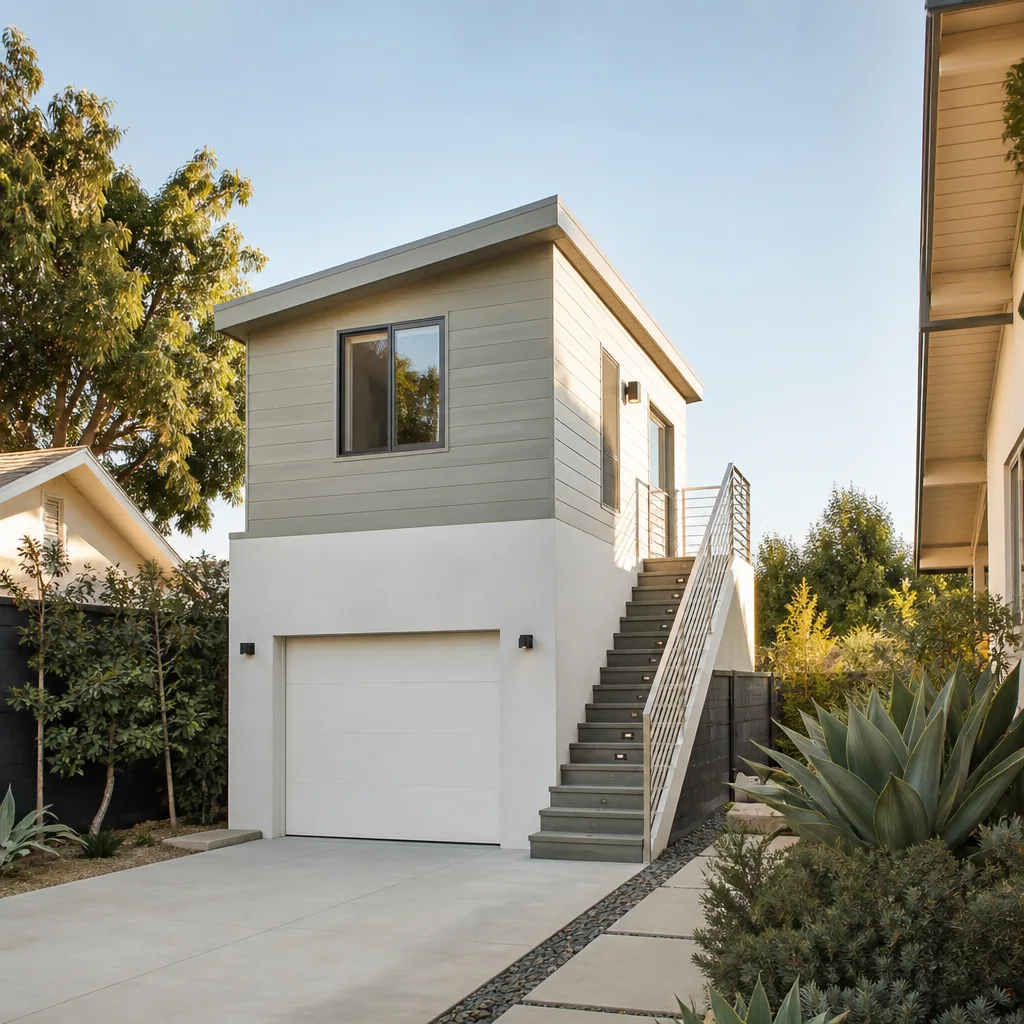
Dvele’s junior ADU line in Riverside spans two distinct generations, and the parts don’t interchange cleanly between them. The first-generation units used a stick-framed assembly with standard off-the-shelf hardware. The second generation moved to structural insulated panels (SIPs) with custom-milled reveals and connectors. If your conversion was installed before 2021, it’s almost certainly a first-gen frame. After 2022, it’s likely SIP-based. The fastest way to confirm: open the main electrical panel door and look for the serial plate on the inside of the chassis rail, usually a 10-character alphanumeric printed on a silver label. That number tells us exactly which parts spec applies.
For Dvele specifically, there’s a compatibility gotcha with the multipoint locking mechanism on the entry door. Dvele used a European-profile lock body that looks nearly identical to a standard US multipoint, but the gear timing is offset by 6mm. A generic replacement will bolt in, lock once, then fail on the second cycle. We’ve corrected enough of those in Riverside to know the difference by sight now. OEM Dvele parts are available but carry a 2 to 3 week lead time from the factory. Quality aftermarket equivalents exist for roughly 60% of common failure points, and we’ll tell you honestly when OEM is the only option.
Signs Your Dvele Junior ADU Conversion Is Failing
- Entry door binds or won’t latch cleanly. The multipoint lock gear strips over time, especially in Riverside’s dry summer heat, which accelerates wear on the internal nylon cams. You’ll feel the handle turn but the top roller won’t engage.
- Mini-split runs but the room stays warm. On Dvele units, the condensation line routes through the wall cavity, and the factory elbow at the exterior penetration cracks after repeated thermal cycling. Water backs up, the unit short-cycles, and cooling drops off.
- Soft spot near the wet-bath threshold. The original floor pan gasket on early Dvele JADUs degrades after roughly five to seven years in California’s low-humidity climate, and the threshold begins to flex underfoot.
- Electrical outlet dead in the kitchenette wall. Dvele’s in-wall junction boxes use a spring-clamp connector that loosens with vibration from the mini-split compressor. One dead outlet often means the clamp worked loose, not that the breaker tripped.
- Interior panel seam opens slightly at the ceiling line. On SIP-shell units, expansion and contraction in Riverside’s hot afternoons and cool nights can cause the reveal strip to pull away. This is cosmetic at first, but water intrusion follows if left unchecked.
Replacement Cost & What’s Included
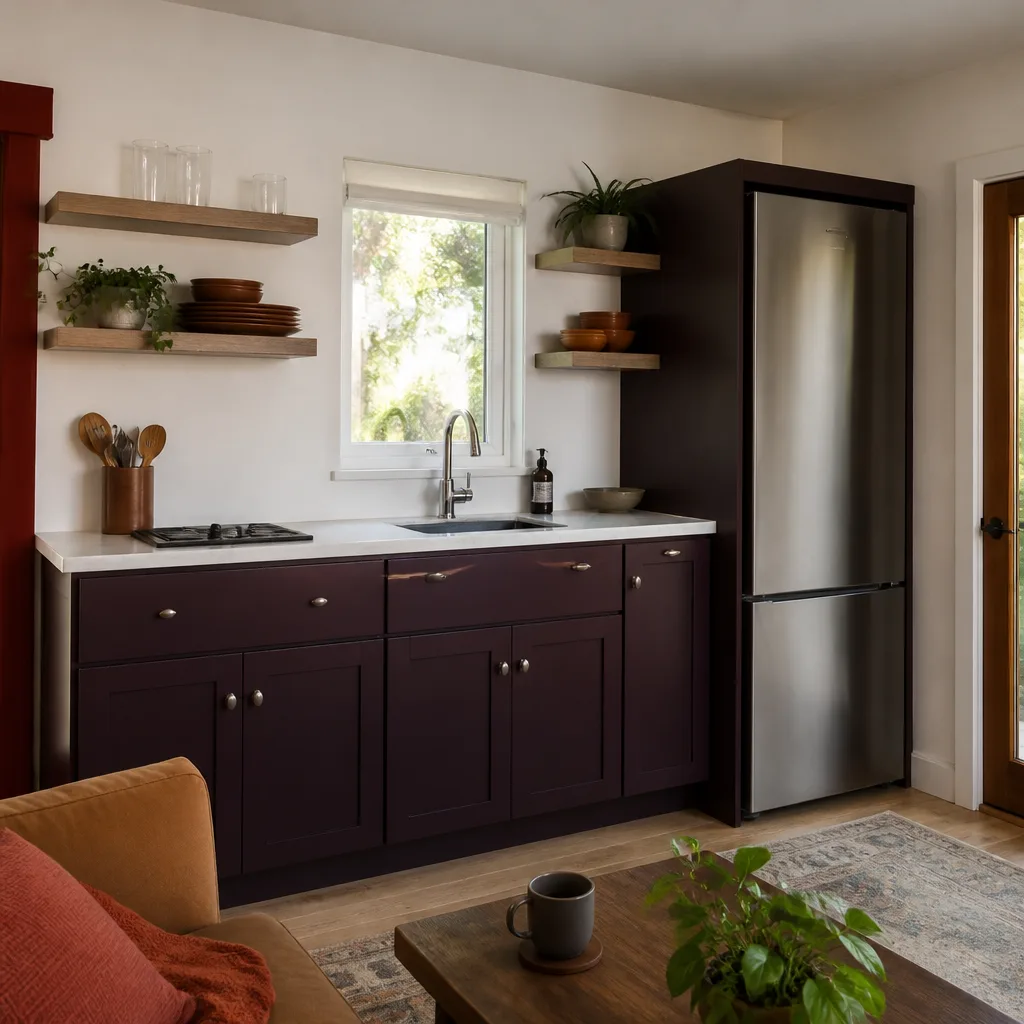
Here’s what we charge in Riverside, in writing, before any work starts:
- Multipoint entry lock replacement: $420 – $680 installed, including hardware and door realignment.
- Mini-split condensate line repair: $180 – $340 installed, including new exterior elbow and wall gasket.
- Wet-bath threshold and gasket replacement: $350 – $550 installed, depending on panel access.
- In-wall junction box connector replacement: $120 – $220 per box installed.
- Interior seam reveal replacement: $90 – $180 per linear section installed.
Every quote includes the part, labor, and a written guarantee under The Kingswell Guarantee. If the replacement fails within 365 days, we come back and make it right at no charge. That’s not a verbal promise. It’s printed on the estimate before you approve anything.
DIY or Call Us?
You can safely check a few things yourself: confirm the serial plate location, note which door or panel is misbehaving, and check whether a breaker has actually tripped. What you shouldn’t do is open the wall cavity on a SIP-shell Dvele unit. The electrical junction boxes sit behind the finished panel, and the spring clamps are under tension. One wrong move with a pry bar and you’ll turn a $200 parts job into a $900 wall repair. The multipoint lock is less dangerous but equally unforgiving. If the gear timing is off by even a tooth, the door will jam shut with you inside. We’ve gotten that exact call from Riverside homeowners twice this year. Call us at (831) 292-4191 and we’ll get someone out to look at it.
FAQs
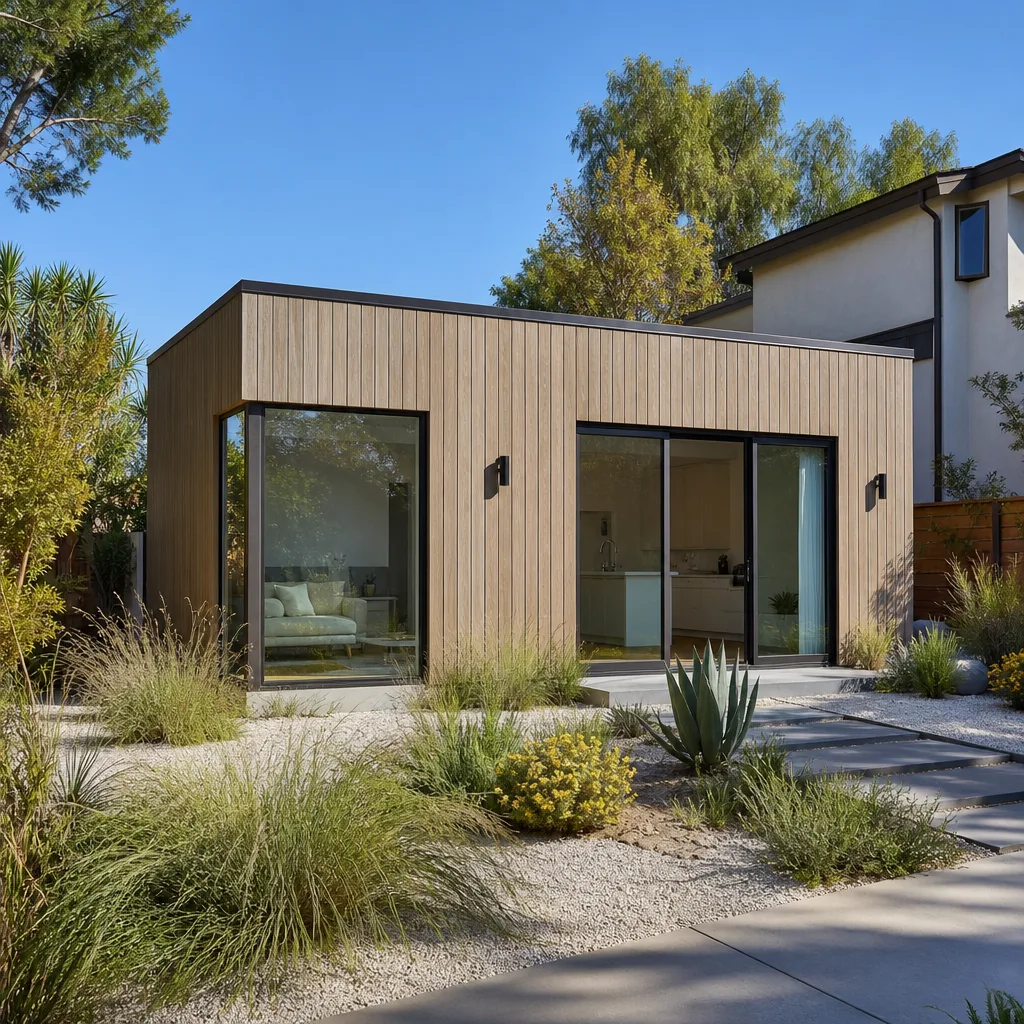
Most Dvele JADU components hold up between five and ten years in Riverside’s climate, with the condensate line elbow and wet-bath threshold gasket typically failing first, around year six or seven. The SIP shell itself is durable for decades, but the accessory hardware and weather-exposed seals are the weak points.
Sometimes, but not usually at the price point where repair makes sense. The multipoint lock gear can be re-timed once, but if it’s stripped, a repair won’t hold. Gaskets and seals can’t be patched reliably. Call us at (831) 292-4191 and we’ll tell you straight whether repair is worth your money or replacement is the honest answer.
Most replacements take two to four hours on site once the part is on hand, with the multipoint lock being the longest at roughly half a day. If we need to order OEM hardware, expect two to three weeks before the install date.
We stock common Dvele-compatible parts on the truck, including multipoint lock bodies, condensate elbows, threshold gaskets, and junction box connectors. For less common failures or newer SIP-shell components, we order from the factory and schedule the install once parts are confirmed.
Written by Russ Delmar, Owner, Lodgewick ADU Riverside at Lodgewick ADU Riverside, serving Riverside and nearby areas. Russ grew up in the San Gabriel Valley and learned construction fundamentals at East Los Angeles College before spending two decades figuring out what actually makes a build hold up. If the number isn’t on the page, it isn’t a real quote.